It reached speeds of 120 kilometers per hour: Why was the "horror train" shut down?
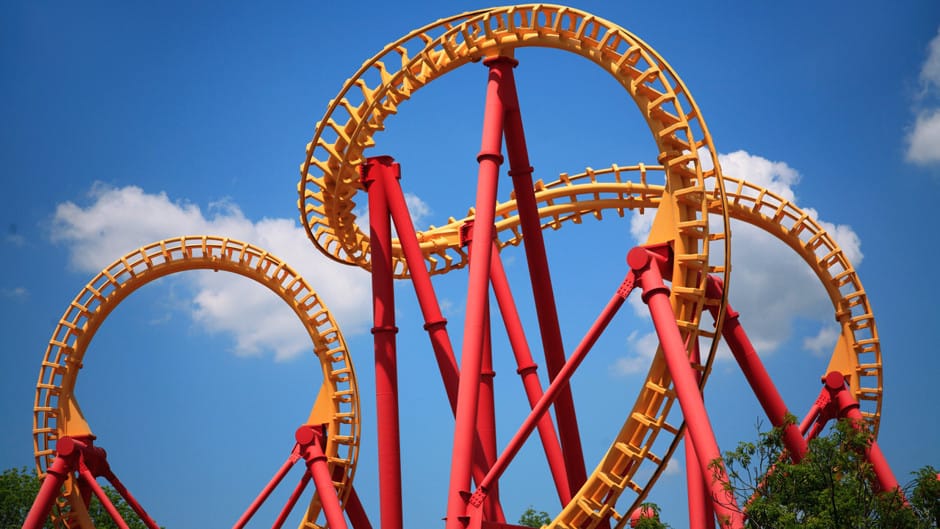
A roller coaster at an amusement park has been taken out of service indefinitely following a series of serious brain trauma cases. The X2, located at Six Flags Magic Mountain in California, USA, was unique in its design, featuring high speeds and seats that moved independently of the tracks. However, recent incidents have brought the force exerted on the human body back into question.
In July, two women who rode the X2 within days of each other experienced serious health problems after their rides. In the first case, 40-year-old Pamela Guillen lost consciousness shortly after getting off the ride. Hospital examinations revealed brain damage similar to severe hemorrhages seen in high-speed traffic accidents, and Guillen remained in a coma for two weeks.
The second incident occurred just days later. 25-year-old Naomi Greer-Wilkinson also fell ill after a ride on the X2 and was hospitalized, remaining in a coma. Following these two incidents, facility management decided to close the roller coaster for an indefinite period. Why is the design of the X2 being debated? Launched in 2002, the X2 has a system different from classic roller coasters. Thanks to its four-dimensional design, the ride can reach speeds of 120 kilometers per hour and offers a 65-meter freefall. The most significant difference is that the seats where passengers sit can rotate independently of the tracks. This structure can increase the sudden accelerations the body is subjected to during the ride. In particular, the rapid movement of the brain inside the skull can create forces that can cause stretching of tissues and damage to blood vessels. Examples with a similar design to the X2 are only found in China and Japan worldwide.
Recent incidents have also led to the re-examination of records regarding the vehicle's past. Court documents and medical records show that the X2 has been associated with more than ten cases of serious injury and hospitalization since its opening in 2002. In 2014, 17-year-old Selena O'Neil experienced headaches, vision loss, and difficulty walking after a ride on the X2. Examinations revealed a brain hemorrhage, and doctors warned that roller coaster technology can push the physical limits of the human body.
There have been fatal incidents in the past.
The X2 has a history of more serious incidents. In 2022, 22-year-old Christopher Hawley suffered a severe brain hemorrhage after being violently shaken while riding. He underwent surgery but died shortly afterward.
In 2010, the death of 28-year-old Hilda Farias was linked to the extreme forces generated by the roller coaster triggering a vascular disorder in her brain. Experts state that roller coasters are generally safe and that hospitalization rates remain low on these rides. However, they emphasize that systems like the X2, where high forces are generated, need to be evaluated more rigorously. Following the recent incidents, Six Flags Magic Mountain management announced that the X2 will be closed indefinitely. Whether the roller coaster will reopen is still unclear.